Wish to Sell Your Home?
Even in a soft "buyer's market" there are still homes being bought and sold. Selling your home should not be a stressful or complicated experience, if you partner up with the right company and the right REALTOR®.
Before you start - do you want to know the value of your home?
The first step you should consider is to choose an experienced REALTOR® whom you feel comfortable working with, one who will tell you the facts as they are (without "sugar-coating", or telling you just what you want to hear), who uses proven home marketing strategies to maximize the return on your investment and who has the right systems in place to perform thorough contract-to-closing followup .
Getting your home SOLD in the current market depends on hiring an experienced REALTOR who:
- Sets up and executes the right marketing strategy (product, pricing, promotion, positioning) to generate an "unfair share" of buyer traffic; one who is technology-savvy, knows the local market and keeps up with the latest market trends.
- Has the relevant experience to manage expectations and negotiate solid agreements;
- Has the appropriate due diligence processes/systems in place to be able to anticipate and eliminate potential problems throughout the transaction; and
- Applies relationship management and problem-solving skills to keep the transaction alive while negotiating seemingly insurmountable complications.
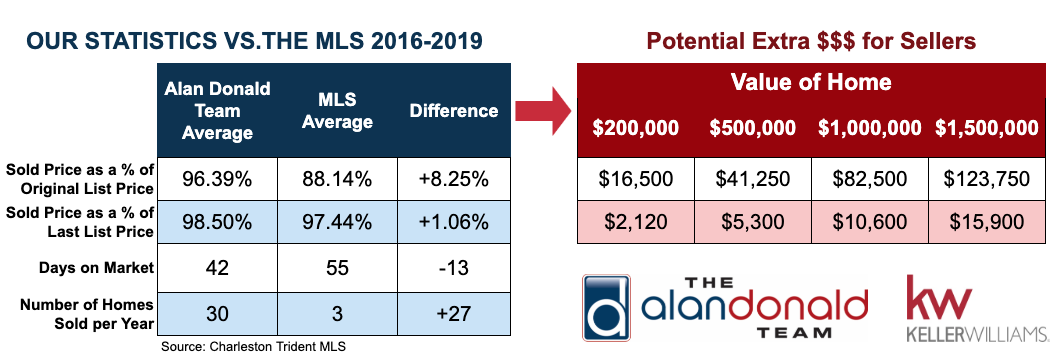
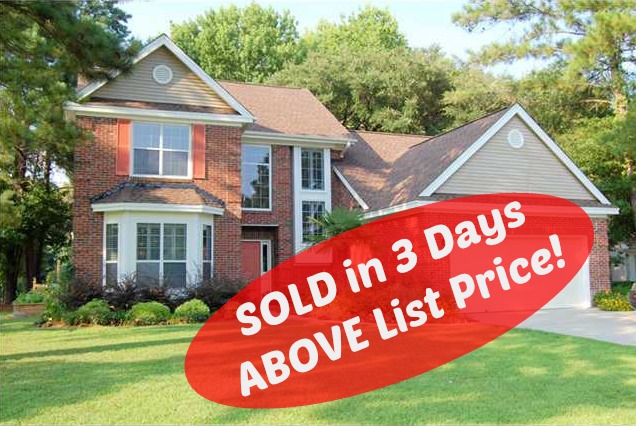
- Can show proven results!
More than 80% of our business comes from repeat clients and referrals, which makes us very proud! Click here to read some of our clients' TESTIMONIALS.
As your listing agents, here are some of the services that you can expect from us (please note that we are NOT discount brokers):
- Understanding Your Needs: The sale of a home is just a piece of your "life puzzle". As your listing agents, we need to understand your motivations, your needs and how the sale fits into your life. We will listen carefully and ask questions to make sure we are both working from the same page and that we can keep your best interests in mind at all times.
- Thorough Market Analysis: We will including not only recent comparable sales, but also at active competition (more relevant in a "soft" market), statistics and trends that might affect the sale of your home.
- Professional Home Marketing: We will design and execute a marketing strategy that focuses on current buyer home search trends, to sell your home for the highest market price in the least amount of time. We'll also give you recommendations on what you, as the seller, can do to improve your home's curb appeal, staging and condition.
Our marketing program is modern and adapted to the latest technologies. Don't expect us to just place a sign in front and an ad in the paper. This approach does not work well anymore! It is essential to generate an "unfair share" of the SHOWING TRAFFIC to expose your home to the highest amount of potential buyers.
We do this by creating multiple websites and linking them to most real estate sites (Realtor.com, Zillow, Trulia, Google Base, Yahoo, etc.), plus advertising on the main online social networks (i.e. Twitter, LinkedIn, Facebook) to provide 24/7 exposure to the market. We also place advertisements in online marketplaces (Craigslist, BringYourOwnHome, Ooodle. etc.) to drive additional traffic to the websites.


More than 80% of all buyers are going online to search for homes!
In addition, we send "email blasts" to all REALTORS who have registered prospects looking for similar homes on the MLS. And we set up a 1-800 number with call capture to be able to talk to every passer-by who enquires about your home. Since we also know that many buyers for larger of more expensive homes come from "feeder" or less expensive sections in the same neighborhood (in the case of a planned community) or from lower priced (adjoining) neighborhoods, we will use postcards (with the 1-800 number) to those neighborhoods (see samples below).
- Regular reporting and Responsiveness: Regular reporting on showings and market activity, as well as what we have done to adjust the marketing strategy to get maximum exposure for your home and generate the required traffic. We will return your phone calls, text messages and emails promptly, and tell you the facts, as we see them!
---------------------------------------------------------------------------------------------------------------------------------------------------------------------------------------------------
ARTICLES OF INTEREST FOR SELLERS
ADDITIONS- CREATIVE NEGOTIATIONS - CURB APPEAL - DEFECTS - INSPECTIONS AND REPAIRS - SHOWINGS AND PETS - SMELLY AFFAIRS - THE CLOSING - THE VALUE OF YOUR HOME - TO THE LAST DETAIL - WHAT WOULD YOUR MOTHER-IN-LAW THINK? - WHY IS MY HOME NOT SELLING?
---------------------------------------------------------------------------------------------------------------------------------------------------------------------------------------------------
ADDITIONS AND REMODELING
When lenders toughen their standards and the housing market is challenging for sellers, many homeowners will choose to either add or remodel their existing home, instead of changing it for a new one to satisfy their needs. Many builders have chosen not to build any new "spec" homes and focus on remodeling and additions instead.
Many homeowners are unaware that of the zoning laws, building codes and neighborhood restrictions governing renovations and additions. Most projects will require permits and official inspections to satisfy federal/state/county/city regulations and neighborhood covenants and restrictions. Failure to comply with due process may result in immediate work stoppage and/or significant fines.
Zoning laws cover issues such as use and occupancy of the property, building setbacks, and height restrictions. Building codes deal primarily with safety standards relating to structural integrity, electrical and fire hazards, insulation and plumbing . Neighborhood covenants and restrictions deal with issues like aesthetics and desired community character. If your project does not comply with all regulations and restrictions, you may apply for special dispensation or ask to be granted an exception with the relevant authority.
Most licensed contractors know what they have to do in order to get all the necessary permits and approvals. Here are a few things that are not widely known:
If you do the work yourself and you are not a licensed contractor (you still need the permits and inspections), county regulations may restrict the sale of your home for a specific amount of time after the renovations are finished.
If you do the work without permits or inspections and the local government inspectors learn about it, they may require you to undo any work that does not meet the standards, fix any code violations and pay fines for not having requested a permit. Note: No lender will allow a purchaser to buy your home unless it has no known code violations.
It is important to understand that these regulations are in place to look after the safety of the residents and to do what's best for the neighborhood. So, before you embark in a renovation or addition project, learn what permits you need from your county and city officials!
--------------------------------------
USING CREATIVE NEGOTIATIONS
If a buyer has an 850 Credit Score, 45% downpayment and does not have to sell a home, his/her offer on your home is a strong one! However, many buyers are not in that situation. And while as a seller you would like to get your asking price and no conditions, an experienced agent will prepare you for the possibility of receiving offers that involve less than ideal conditions and may require some compromises.
Successful REALTORS® know how to structure creative offers and do whatever it takes to make a transaction work ("a bird in the hand is worth more than two in the bush"). If a buyer is low on cash, your counter-offer may shift some closing costs to you (the seller), minimizing the amount of cash that the buyer needs to close. If the buyer needs to sell a home, your REALTOR® should ask to see their listing and talk to their listing agent to understand how "saleable" and well priced their home is, plus include a "kick-out clause" which will allow you to force the buyer to remove the contingency, or rescind the contract to sell the home to another buyer who does not need to sell first. A lease purchase arrangement might be an effective way to structure a contract if a buyer has recently changed jobs or became self-employed.
Owner-financing for part of the loan can make a difference in some cases, like for example if the buyer is a foreign national, and has the money to buy the home, but his/her funds have not been cleared as "seasoned" in a U.S. account for the period required by law. If your REALTOR® brings you a complex offer designed to get a buyer into your home, don't say "no" until you understand the offer, and explore all possible scenarios to make it work before you give up!
--------------------------------------
CURB APPEAL - FIRST IMPRESSIONS COUNT
We make thousands of small and big decisions every day. Our senses (eyesight, smell, feeling, hearing) are constantly telling us a story about our surroundings. When we are looking to buy a home, those INITIAL impressions from the first few seconds after we stop in front of a home may make a positive or negative emotional impression that may outlast later impressions (remember that "an image is worth a thousand words"?).
This initial impression makes a statement about your home and yourself as the owner. Whether your home is contemporary or traditional, older or newer, its architectural features and curb appeal will impact potential buyers. Your home has its own unique features and personality - much like a human being - and it includes the "feeling" of your neighborhood, your street, your neighboring properties and, very importantly, the curb appeal of your home.
If the exterior appearance of your home and yard is pleasing, buyers will want to see the interior. Since most buyers are looking for a home that has both charm and quality, it pays to keep your grounds well-maintained and attractive. Trim your shrubs and trees away from the home, plant nice flower beds, place new mulching materials, mow and edge your grass. Making sure that your home has exceptional curb appeal is one improvement that will give you great returns!
--------------------------------------
BE PROACTIVE - DEAL WITH THE DEFECTS
Even if you are selling your home "as-is" (which means you are not willing to pay for any necessary repairs), most buyers will include an inspection contingency clause in their offer. This will allow them to hire any number of experts (including a home inspector, a termite inspector and a structural engineer) to make sure that the house is safe, structurally sound and all the systems are working properly (i.e. that they are not buying a "lemon"). The inspection contingency allows them to walk away from the deal without losing their earnest money if they are not satisfied with the condition of the property.
You, like most owners, will probably know most of the issues that need attention around your house. Don't wait for the buyer's inspection to deal with known defects or deferred maintenance issues - the time to get ready for the home inspection is before you sell your house! Most purchase agreements require the sellers to convey a safe and sound home, with all systems in working order. Issues such as plumbing or electrical problems or roof/skylight/window leaks are going to show up in any inspection report and you will need to fix them anyway before closing - so you won't save any money by delaying the repairs.
Buyers may be frightened away by an inspection report that contains a long list of needed repairs. By being proactive and fixing all defects before you put your home on the market, you may be able to sell it quicker, and ensure a smoother contract-to-closing transaction. This is especially important in a "buyers' market" - when buyers have lots of homes to choose from - including new construction homes in the area.
--------------------------------------
BUYER'S DUE DILIGENCE - INSPECTIONS AND REPAIRS
After you "ratify" (sign) a contract to sell your home, the buyers will have some time to do their "due diligence" before the closing. Most request a home inspection to be done as part of their due diligence, to make sure the home does not have any problems.A home inspector will spend anywhere from one to four hours going over your home with a fine tooth comb, noting any defects and items that need attention or repair. The buyer's REALTOR® will normally produce a "Repair Addendum" with all their requests for repairs for you to sign. Keep in mind that, unless you are offering your home "as-is", buyers normally expect a home that is free of leaks, free of termite, mold and fungi infestation and/or damage, structurally sound, and safe.
Everything else which may go beyond "normal" seller obligations, including cosmetic and minor deferred maintenance items, is negotiable. This means that there will be a second "round" of negotiations when it comes to repairs. When you receive the "Repair Addendum" from the buyers, here's our recommended course of action:
- Sit down with your REALTOR® and determine the validity of the buyers' requests;
- Estimate how much these repairs would cost to do;
- Assess with your REALTOR® the risks of just saying "NO" to buyers who are making demands you consider to be unreasonable (most contracts are signed "subject to inspections" so if you don't arrive to an agreement for repairs that is satisfactory to both parties, the buyers can walk away from the contract and get their earnest money back)
You have the option to either do the repairs, or offer to pay compensation to the buyers INSTEAD OF doing some, or all of the repairs; the buyers may or may not agree with your proposal.
Once both parties reach a satisfactory agreement regarding the repairs to be done by you prior to closing, hire licensed and reputable professionals who will guarantee their work, and give copies of their reports and invoices to the buyers at closing. Arrange to do the repairs as far ahead of time as you can, to avoid last minute complications which may jeopardize the transaction.
If you want to avoid the extra stress of a second negotiation for repairs, it is advisable to hire a home inspector and fix all issues that may create problems with future potential buyers BEFORE you list your home for sale.
--------------------------------------
SHOWINGS AND PETS
Most of us REALTORS® are animal lovers and have pets of our own, but we also share many stories about showing homes where our clients went into a sneezing fit, we got bitten by a cantankerous furry creature, or opened the front door only to helplessly see a cute kitty scoot toward the nearest busy street.
It is essential to take pets into consideration if you put your house on the market. Make sure you work out the showing arrangements/instructions carefully with your Realtor, since it is important for showing agents to know what to expect inside your home. Buyers could potentially be allergic or scared of cats or dogs (especially if they bring children along).
Although most pets are harmless, they may hinder the buyers' experience and put a "negative aura" for your home in their minds. It is difficult to get a buyer excited about your home if he or she is sneezing continuously or unwilling to cross the threshold because your dog is barking away intruders.
If your agent knows there might be a problem, you may wish to walk or cage your dog, vacuum the cat hairballs or do whatever is necessary to make sure that the showing goes smoothly.
--------------------------------------
SMELLY AFFAIRS
The sense of smell is a powerful motivator. When prospective buyers walk into a house, their senses are alert to visual, audio and smell stimuli to form that "first impression" . It is well known that buyers respond more positively if they smell freshly baking oatmeal cookies instead of the lingering odors of mold, cigarette smoke or a household pet.
Because you are used to it, you may not notice odors that visitors are aware of as soon as they walk in the door. When your house is for sale, ask a friend or neighbor to give it a "sniff test". If they notice any odors, you bet potential buyers are going to notice them too. So, how do you get rid of them?
There are a few simple solutions--giving carpets a steam clean and the walls a good scrubbing, using the old vanilla-on-the-light-bulb trick, plugging in an essential oil diffuser and throwing out the dog's special chair. You can temporarily declare your home a "no smoking" zone. You may need professional help for cleaning carpets and drapes or deodorizing walls and wood floors.
Your REALTOR® should be able to provide you with a list of cleaning services which can assist you in making your home smell clean and fresh.
--------------------------------------
THE REAL ESTATE CLOSING
After the buyers have finished their due diligence process, agreed repairs have been done, and the buyers have received their final loan approval from their lender, the buyer's agent will normally schedule a closing with their attorney of choice.
As a seller, you have the right to be represented by a different attorney at the closing, but this will cost you more. Although the closing attorney represents the buyers, he/she also has to represent the lenders (discharge your existing mortgages and sign the new ones), and can represent the sellers.
In theory, the closing attorney will produce the closing statement (HUD-1) showing the financial balance of the transaction, and have all documents for your review and perusal several days before the closing. In reality, attorneys only provide the HUD-1 statement the day before the closing (because the lender usually delivers the "closing package" to the attorney at the last minute) and you will have to review all the paperwork at the closing.
Buyers will have to sign an amazing amount of papers at the closing, especially if they are getting two mortgages. Sellers' paperwork, on the other hand, is much simpler and short. A "normal" closing can take anywhere from 45 minutes to 1 hour. If someone insists on reading the fine print on every page, that person will probably draw some serious groans from all the others at the table.
One practical solution is to request copies of all of the standard forms a week before the closing, so that you, your attorney and your REALTOR® can read them thoroughly before. At the closing you need only to make sure that all the information is filled in correctly.
--------------------------------------
THE VALUE OF YOUR HOME
When markets shift from one cycle to another (i.e. sellers' market to buyers' market) it is difficult to assess the appropriate value of a home. Everyone will have a different opinion about the "market value" of your home. Your neighbor, the bank, the appraiser, you and your agent will all come up with different opinions.
The market is what sets the price (a house is only worth what a willing and able buyer will pay for it). So how can a seller arrive at the maximum "fair" price that buyers may be willing to pay in a given market?
Buyers (and appraisers) make their decisions based on comparing your home to comparable homes in the area. However, there is a fundamental difference between them: Appraisers look at HISTORICAL data only. And buyers may also look at past sales, but most times concentrate on comparing to other available homes (active inventory) to determine which home would provide them the best value for them. So sellers must price their home well to attract buyers, and the home must be worth what buyers are willing to pay for it in the eyes of the appraiser!
Most buyers do not expect a home to be a "steal" (i.e. dramatically undervalued) but they do expect a "fair deal" for the prevailing market conditions. Your REALTOR® can look at both recent sales and available inventory to give you advice about pricing in a specific "sweet spot" for the market. Sellers set the list price. Buyers decide whether this is "good value" for them based on the competition. Market activity (i.e. the number of showings for your home compared to the average number of showings for homes in the same area/price range) will tell you if the market "accepted" or "rejected" the Seller's offer. A quick and decisive price adjustment most times adjusts the home's market positioning and can result in dramatic changes in showing activity.
Click here to find out the current value of your home...
--------------------------------------
TO THE LAST DETAIL
Most purchase agreements contain language that requires the seller to hand over a home free of trash and debris and "broom clean" at closing. While most times this language is not precise, the general idea is that you should convey a clean house to your buyers, one in the same condition that you hope to find your new home.
When the movers leave with your furniture, you may even want to consider hiring a professional cleaning service to thoroughly clean the home, steam clean the carpets and get rid of any odors. It is also important to make sure the yard is looking the same as when the property was on the market. Mow the lawn one last time, get rid of those pesky weeds that grew a foot since the buyers did their inspections, water the lawn and make sure the yard looks neat. Get rid of any leftover junk and personal property in the storage shed, attic spaces, garage and back yard. It is crucial to leave your house as pristine as possible for the new owners.
When the buyers show up for their final walk-through, they will feel much better about finalizing the sale if everything sparkles and you have exceeded their expectations. This will set up a positive mood for completing the transaction and help to minimize any disputes at the closing table.
--------------------------------------
WHAT WOULD YOUR FUTURE MOTHER-IN-LAW THINK?
You can bet on it - the KITCHEN is one of the key areas of a home that most buyers will look at to short-list their preferred homes from a long list of available listings. A smart seller will devote time, attention and money to make the kitchen sparkle! Although many buyers want an updated kitchen (solid surface countertops, modern cabinets, stainless steel appliances, etc.), your kitchen does not have to be state-of-the art to be appealing.
Think first impressions: What would you do to impress your future mother-in-law if she was coming to visit you for the first time? The first step towards enhancing the appeal of your kitchen is giving it a thorough cleaning and tidying up. Make sure that walls, cabinets and drawers are very clean and tidy, the pantry is well organized, and the refrigerator cleaned thoroughly (no spilled sauces, moldy bread or wilted vegetables!). Clear the countertops as much as you can to increase their perceived surface size. Small improvements may "do the trick" to improve the look and feel of your kitchen, and may not be too expensive: A new coat of paint, new grout for the tiles, new floor coverings or a couple of additional lights may make a big difference...sometimes just changing the knobs and handles can make your kitchen cabinets look more modern!
On the day of a showing, make sure that there are no dirty dishes in the sink, that clean towels are on the rack and that the garbage can is empty. A scented candle may also help the buyers feel great about making your home theirs!
--------------------------------------
WHY IS MY HOME NOT SELLING?
If you have had your home on the market for several months, you may start to wonder why it just isn't moving. How can you encourage buyers to look at your house and introduce new "zest" into the sale?
The first thing to do is to get together with your REALTOR® and discuss showing activity and feedback received from buyers and showing agents. Is it the CONDITION of the home? Is it the PRICE? Has it been EASY TO SHOW on short notice? It's a numbers game - the more showings you get, the faster it may sell.
- CONDITION - Does your home look the very best it can? With many options to shoose from, buyers prefer to buy "move-in-ready" homes that have great curb appeal, freshly painted and with no deferred maintenance issues.
- PRICE - Forget about what your neighbors sold their home three years ago. We are in a different market. Price is not determined by what you owe on the house , what you need to net, what you think it's worth, not even what your agent believes it is worth. Price is set by what a willing buyer and a willing seller can agree upon. In a buyer's market, motivated sellers must price aggressively if they wish to sell in a reasonable amount of time. Your REALTOR® can advise you of the available competition, the absorption rate (velocity) of the neighborhood and the appropriate pricing strategy.
- AVAILABILITY - Buyers are looking at a lot more homes before they make a decision. Sometimes they are looking at homes with an agentand they may see your home (which they may not have noticed in the MLS just because they input slightly different parameters!) and wish to see it on short notice. The more flexible you are for showings, the more exposure your home will have to active buyers, and the higher likelihood of selling faster.
Getting your home sold is a joint effort between you and your REALTOR®. It is important for your listing agent to market your property aggressively, but you must do your part to ensure that buyers see a home that is as appealing as it can be.
--------------------------------------
Recent Posts RSS